

No products in the cart.
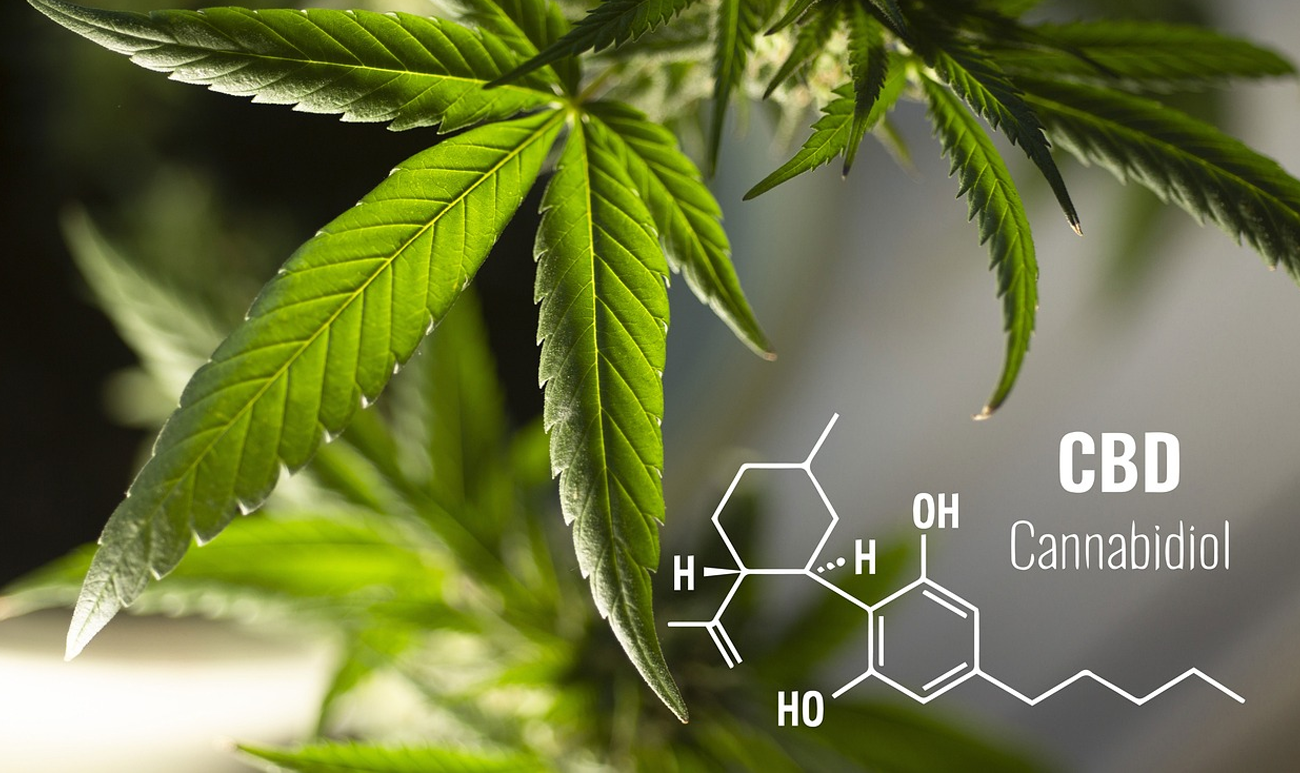
Is Cannabidiol Addictive? Baked Goods Has the Answer
CBD is used by some to manage their chronic conditions. Truly, it’s a beneficial ingredient from the hemp and cannabis plant, but is CBD addictive?
The answer is no.
According to the World Health Organization, “In humans, CBD exhibits no effects indicative of any abuse or dependence potential.”
Addiction involves using substances that impact the “pleasure centres” of your brain. You need to consume a habit-forming substance over and over again or else you’ll get withdrawal effects. In some cases, some people need to heighten their use of a substance to continue feeling euphoric.
But CBD does not cause psychoactivity, and human lab studies have validated that having up to 1500mg daily is well-tolerated. Here’s something to note: Harvard Health Publishing confirms that, under some circumstances, CBD can contribute to reducing heroin, tobacco, alcohol and stimulant cravings.
When CBD is administered at low doses, “… it has physiological effects that promote and maintain health, including antioxidative, anti-inflammatory, and neuroprotection effects. …CBD is more effective than vitamin C and E as a neuroprotective antioxidant and can ameliorate skin conditions such as acne,” confirms a Cannabis and Cannabinoid Research article.
It’s safe to say that CBD could offer you potential health benefits. But a word of advice: see your health care provider first to rule out underlying issues and medication interactions.
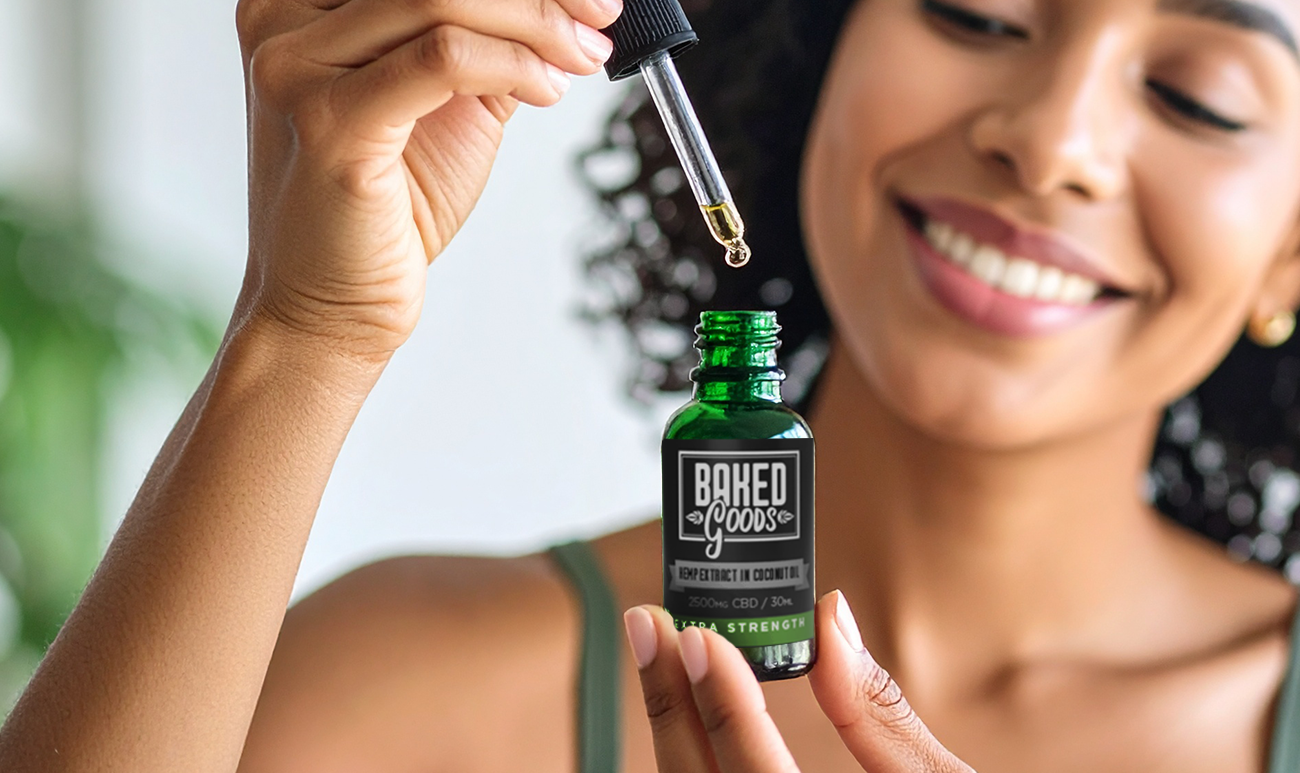
Do you want to give CBD a try? Let’s talk! We can introduce you to our Baked Goods CBD products, such as lollipops and sublingual oils. Send us an email and we’ll get back to you shortly.
NOTE: This article is not an alternative to formal medical advice and should not be relied on for diagnosing or treating your health condition or concerns. This post is published solely for the purpose of education. Please see your healthcare provider if you have concerns about your wellness or visit a nearby hospital if you require emergency help.
With sources from:
Babalonis S, Haney M, Malcolm RJ, Lofwall MR, Votaw VR, Sparenborg S, Walsh SL. Oral cannabidiol does not produce a signal for abuse liability in frequent marijuana smokers. Drug Alcohol Depend. 2017 Mar 1;172:9-13. doi: 10.1016/j.drugalcdep.2016.11.030. Epub 2016 Dec 14. PMID: 28088032; PMCID: PMC5361620.
Bergamaschi MM, Queiroz RH, Zuardi AW, Crippa JA. Safety and side effects of cannabidiol, a Cannabis sativa constituent. Curr Drug Saf. 2011 Sep 1;6(4):237-49. doi: 10.2174/157488611798280924. PMID: 22129319.
Kerstin Iffland and Franjo Grotenhermen.An Update on Safety and Side Effects of Cannabidiol: A Review of Clinical Data and Relevant Animal Studies.Cannabis and Cannabinoid Research.Dec 2017.139-154.http://doi.org/10.1089/can.2016.0034
World Health Organization. Cannabidiol (CBD): Critical Review Report: Expert Committee on Drug Dependence, Fortieth Meeting. World Health Organization; Geneva, Switzerland: 2018.

Leave a Reply