

No products in the cart.
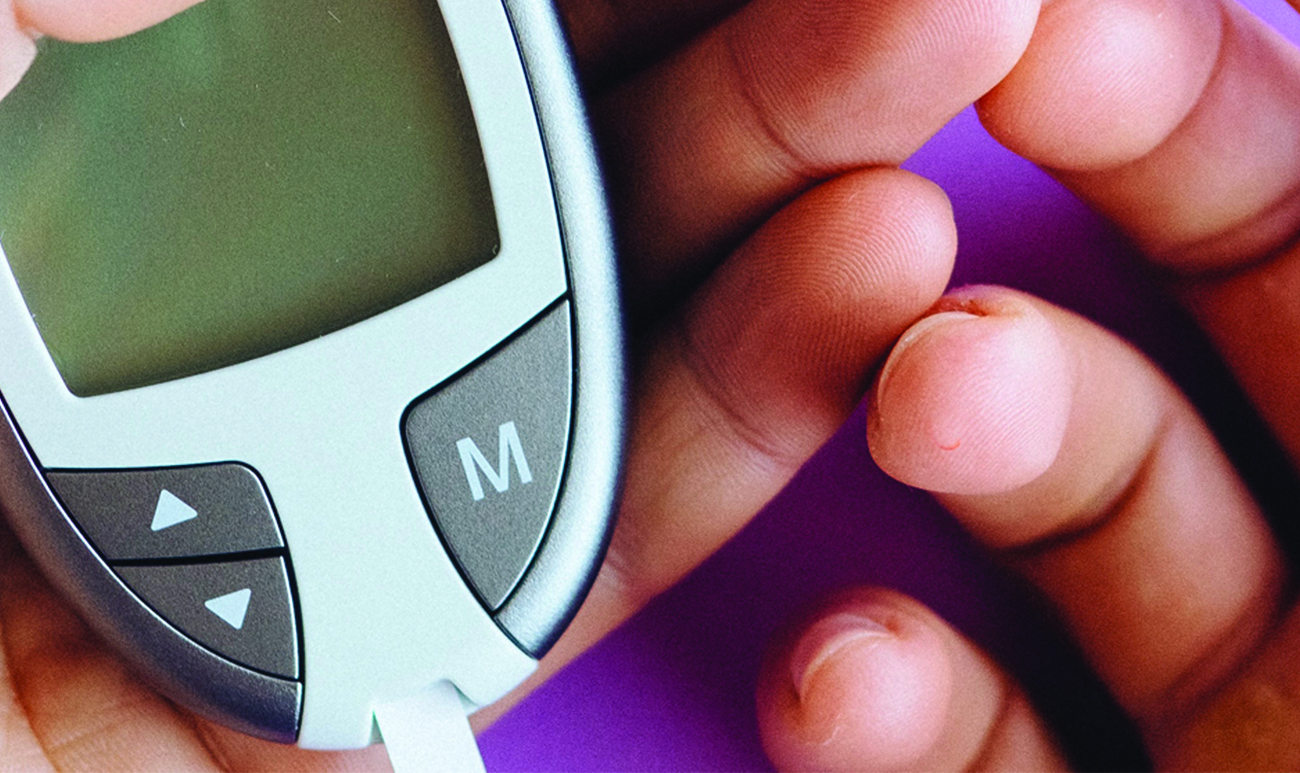
How does CBD help with diabetes?
Cannabidiol (CBD) products, such as those from our Baked Goods CBD menu, can help relieve several discomforts. Now did you know that CBD also has the potential to foster diabetes symptoms?
Some lab results have had varied results on CBD’s efficacy on the condition. But CBD does show promise in lessening the severity of diabetes in these ways:
- May reduce inflammation: According to a study published in the American Journal of Physiology-Heart and Circulatory Physiology, CBD could “offset” injured blood vessels caused by diabetes. This is due to the cannabinoid’s antioxidant and anti-inflammatory attributes.
- Has the potential to lower pain: Neuropathic pain can be debilitating for those with diabetes, triggering achy feet. In one human study, a CBD topical was shown to significantly lessen pain in seniors with peripheral neuropathy.
- Could offer improvements to insulin resistance: In a study on mice with type II diabetes, CBD reduced fasting plasma glucose, while recuperating the health of the pancreas.
Research is still ongoing on CBD’s impact on HDL cholesterol and blood glucose levels. Keep in mind that CBD can be a supportive tool, and that a healthy lifestyle and diet shouldn’t be ignored for managing diabetes
Also, regular visits with your healthcare provider are needed for managing type I and type II diabetes. CBD has interactions with some medications, including blood thinners and metformin, so please bring these up with your doctor prior to taking CBD. As per Harvard Health Publishing, “Many drugs are broken down by enzymes in the liver, and CBD may compete for or interfere with these enzymes, leading to too much or not enough of the drug in the body…”
Understanding how CBD works can be a journey – let’s help walk you through it. Send us an email if you have questions about cannabidiol – we can match you with one of our Baked Goods CBD products!
NOTE: This article is not an alternative to formal medical advice and should not be relied on for diagnosing or treating your health condition or concerns. This post is published solely for the purpose of education. Please see your healthcare provider if you have concerns about your wellness or visit a nearby hospital if you require emergency help.
With sources from:
https://www.health.harvard.edu/blog/cbd-and-other-medications-proceed-with-caution-2021011121743
Aebersold A, Duff M, Sloan L, Song ZH. Cannabidiol Signaling in the Eye and Its Potential as an Ocular Therapeutic Agent. Cell Physiol Biochem. 2021 May 14;55(S5):1-14. doi: 10.33594/000000371. PMID: 33984199; PMCID: PMC8807061.
Rajesh, M., Mukhopadhyay, P., Bátkai, S., Haskó, G., Liaudet, L., Drel, V. R., Obrosova, I. G., & Pacher, P. (2007). Cannabidiol attenuates high glucose-induced endothelial cell inflammatory response and barrier disruption. American Journal of Physiology-Heart and Circulatory Physiology. https://doi.org/H-00236-2007
Weiss L, Zeira M, Reich S, Har-Noy M, Mechoulam R, Slavin S, Gallily R. Cannabidiol lowers incidence of diabetes in non-obese diabetic mice. Autoimmunity. 2006 Mar;39(2):143-51. doi: 10.1080/08916930500356674. PMID: 16698671.
Xu DH, Cullen BD, Tang M, Fang Y. The Effectiveness of Topical Cannabidiol Oil in Symptomatic Relief of Peripheral Neuropathy of the Lower Extremities. Curr Pharm Biotechnol. 2020;21(5):390-402. doi: 10.2174/1389201020666191202111534. PMID: 31793418.




Leave a Reply